If you’re considering a heating upgrade, you may be weighing the merits of underfloor heating Devon versus traditional radiators. Both systems have their place, but many homeowners in Devon benefit from the efficiencies, comfort, and design freedom that underfloor heating offers. Below, we explore how the two compare, helping you make an informed decision for your home.
How Each System Works
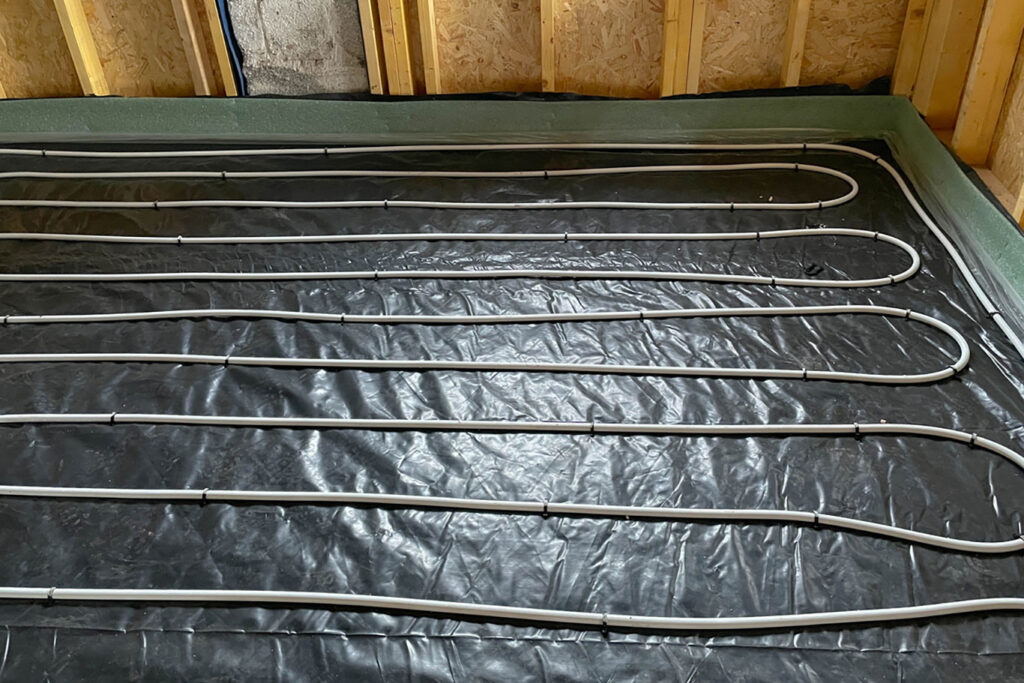
With traditional radiators, hot water is generated by your boiler and circulated through individual radiator units which emit heat primarily by convection. With underfloor heating Devon, either water‑filled pipes (wet systems) or electric mats (dry systems) are installed beneath the floor surface. These systems gently heat the entire floor area, which then radiates heat upward and evenly through the room.
Comfort & Warmth Distribution
One of the biggest benefits of underfloor heating is the elimination of cold spots or air drafts typically associated with radiators. Underfloor systems provide a consistent heat from the floor up, improving the sense of comfort. By contrast, radiators tend to heat more locally around the unit and can leave other areas of the room cooler. This unevenness can be particularly noticeable in rooms with poor insulation or high ceilings.
Additionally, underfloor heating systems often work silently, while radiators may cause expansion noises or gurgling sounds from trapped air or old pipework.
Energy Efficiency & Running Costs
Underfloor heating systems operate at lower water temperatures than radiators — often around 35‑45 °C compared with radiator systems at 55‑70 °C. This translates into potential energy savings of 25 % or more, particularly if combined with a heat pump or condensing boiler. Over time, this can significantly reduce your heating bills, especially in well-insulated homes.
Radiators, while still effective, require higher operating temperatures to achieve the same comfort level. This increased demand often leads to higher energy usage and running costs — a key consideration for eco-conscious homeowners in Devon.
Design & Space Considerations
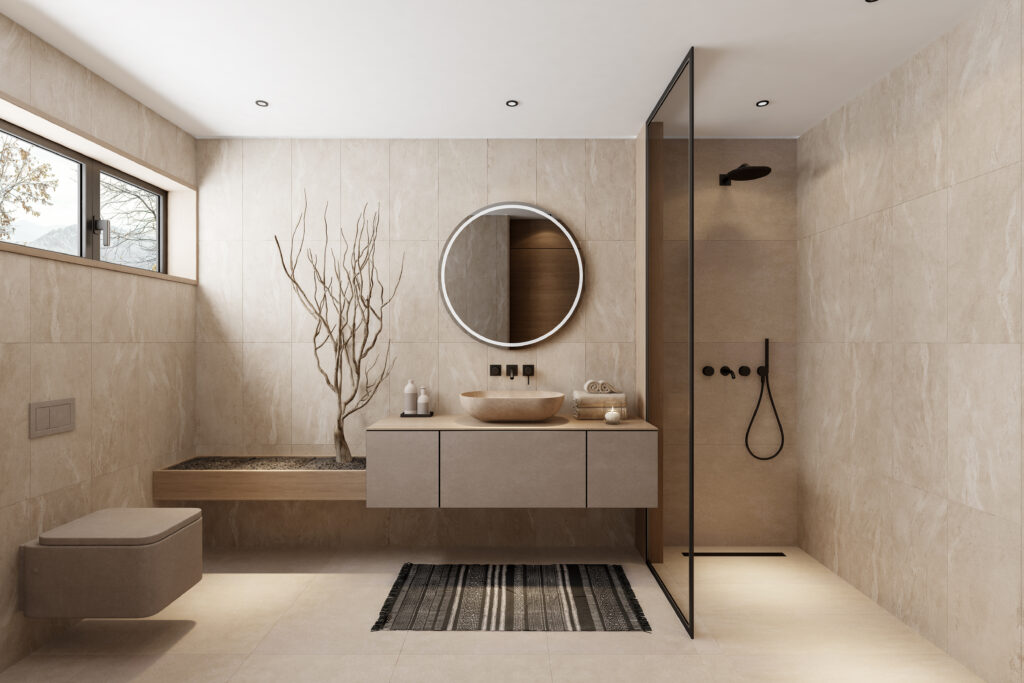
By choosing underfloor heating Devon, you free up your walls from bulky radiators, offering greater flexibility in furniture layout and interior design. Many modern homes or open‑plan spaces particularly benefit from this minimalist aesthetic. It’s especially useful in small rooms such as bathrooms and kitchens where wall space is limited.
In contrast, radiators take up valuable space and can restrict your choices for storage units, furniture placement or even window treatments.
Installation Disruption & Cost
Underfloor heating does have a higher initial cost and requires more planning. Retrofitting in existing homes involves lifting flooring, laying insulation and screed, and potentially upgrading your heating system. That said, it’s a popular option during home renovations, new builds, or bathroom/kitchen refits where floors are being updated anyway.
Radiators are quicker to install and generally more cost-effective in the short term. For homeowners with existing radiator pipework in good condition, replacement or upgrades are often straightforward.
Suitability for Devon Homes
Devon homes vary — from historic stone cottages to ultra-modern builds. Underfloor heating works well in new homes or renovated properties with good insulation and airtightness. In older homes, it may require additional insulation or hybrid systems (e.g. radiators upstairs, underfloor heating downstairs). Many homeowners in Devon find combining the two systems offers the best of both worlds.
Maintenance & Lifespan
Underfloor heating systems, especially wet systems, have fewer moving parts and require minimal maintenance once installed. With proper installation, they can last 25–50 years. Radiators, on the other hand, may need bleeding, valve replacements, or flushing due to sediment build-up — particularly in older systems.
For homeowners in Devon looking for modern comfort, design flexibility and long-term efficiency, underfloor heating Devon is a smart investment. While radiators still serve a valuable role in many homes, particularly where budgets or time constraints are a factor, underfloor heating wins out in comfort, aesthetics, and sustainability.
Thinking about upgrading your heating system? Contact Toms & Co Plumbing on 01752 427417 or email James_toms123@icloud.com for expert advice and a free consultation tailored to your property in Devon.
Underfloor Heating Devon FAQs
Q1: Can underfloor heating Devon be combined with radiators?
A1: Yes. A hybrid system is quite common—many Devon homes feature underfloor heating on the ground floor with traditional radiators upstairs. This setup offers a balance of comfort and energy efficiency. If the system connects to a gas boiler, ensure all gas work is carried out by a Gas Safe registered engineer to meet safety regulations.
Q2: Which system is better for a new build in Devon?
A2: Underfloor heating Devon is usually better for new builds due to easier installation and better efficiency in well-insulated properties.
Q3: Is underfloor heating Devon suitable for bathrooms only?
A3: While it’s ideal for bathrooms, underfloor heating can be installed throughout the home for full comfort and style benefits.