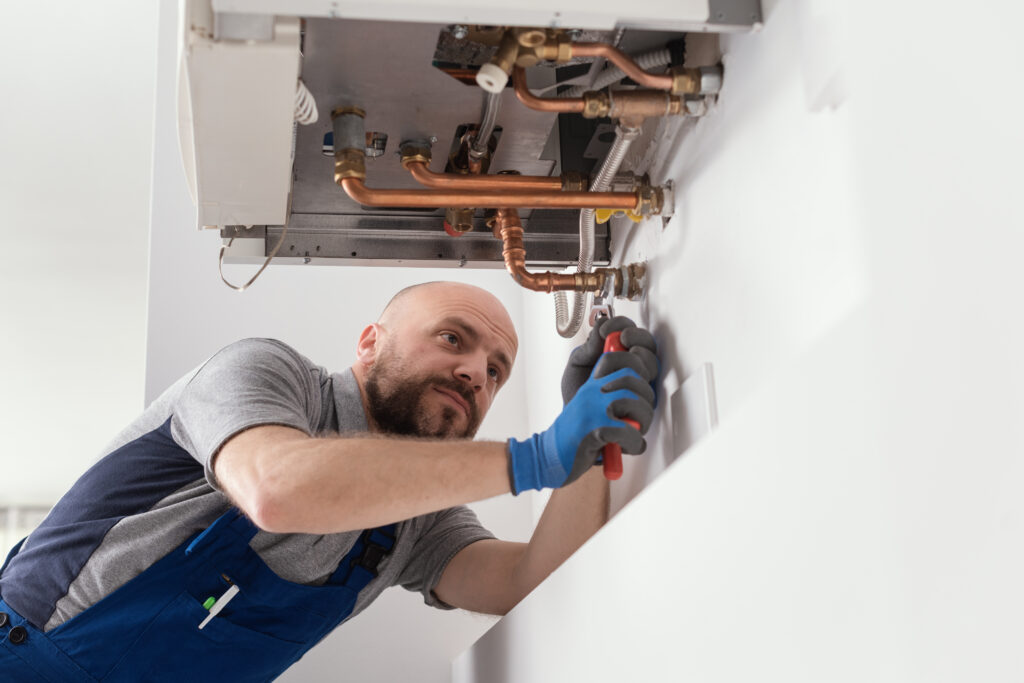

Gas is one of the most efficient and trusted energy sources for heating, cooking and hot water in Plymouth homes. But when something isn’t quite right, minor issues can turn into dangerous ones very quickly. Knowing the warning signs — and acting on them — can protect your family, property and peace of mind. If you notice any of these signals, you should enlist professional Plymouth gas services as soon as possible.
1. A Rotten‑Egg or Sulphur Smell
Natural gas itself is odourless, but suppliers add a chemical (mercaptan) so you can detect leaks easily. If you catch a strong sulphur or “rotten egg” smell in your kitchen, boiler cupboard or any room where gas appliances are fitted — even faintly — it usually means there might be a leak.
2. Hissing Sounds or Whistling Near Gas Appliances or Pipes
If a gas line, flexible hose, valve or appliance connection is loose or damaged, you might hear a hissing or whistling noise as gas escapes. Even if the sound seems small, it shouldn’t be ignored.
3. Physical Symptoms Among Household Members
Gas leaks don’t just smell — they can make people unwell. Watch out for:
- Headaches, dizziness, nausea
- Shortness of breath or feeling light‑headed
- Bad throat or eye irritation
- Symptoms that seem to improve when you go outside or away from the house
If these are happening and you can’t find another cause, it could be a result of a gas leak or carbon monoxide exposure.
4. Unusual or Sudden Changes Around the Property
Sometimes the warning signs aren’t inside — they may show up around your home:
- Plants dying or wilting unexpectedly
- Unusual spots of dead grass near buried pipes
- Bubbles forming in standing water around external gas lines or meter connections
- Clouds of mist or dust near lines or vents
These outward signs can mean gas is escaping somewhere underground or in plumbing you can’t immediately see.
5. Visible Issues with Appliances or Flames
Pay attention to how gas appliances burn and behave:
- Flame colour on stoves, boilers, fires should be blue. Yellow or orange flame can mean incomplete combustion.
- Soot, black marks, or excessive condensation around gas appliances
- Unpleasant odours coming from flues, chimney or vents
- Appliances that used to work well but now feel intermittent, slow to respond or noisy
These tell‑tale signs often show that there’s something wrong internally — and it may need professional attention.
What To Do Immediately If You Notice Any of These Signs
- Turn off the gas supply if it’s safe to do so.
- Open windows & doors to ventilate the area.
- Avoid using any electrical switches or devices—you don’t want any spark.
- Evacuate pets and people from the area if smell is strong or symptoms are severe.
- Call the National Gas Emergency Service (0800 111 999) or your gas supplier immediately.
- Arrange for certified professionals (Gas Safe registered in the UK) to inspect, repair or replace problem appliances or pipework.
Why Prompt Action Matters
Ignoring early warning signs can lead to:
- Health risks from exposure to gas or carbon monoxide
- Fire or explosion if gas accumulates near ignition sources
- Damage to appliances, walls, flooring and structure
- Legal or insurance issues if damage was preventable
Being alert to the warning signs — strange smells, odd sounds, visible damage, or health symptoms — can save lives and homes. When you notice any of these in your home, calling Plymouth gas services should be your priority. Professionals are equipped, trained and legally certified to handle these risks safely and thoroughly.
For expert, safe and reliable help, check out our gas work services in Plymouth.
Phone: 01752 427417
Email: James_toms123@icloud.com
Plymouth Gas Services FAQs
Q1: Do I need to be Gas Safe registered to fix or inspect gas‑appliances myself?
A1: Yes. In the UK, anyone doing work on gas appliances or pipework must be a Gas Safe registered engineer. Trying DIY in gas systems is risky and often illegal. The Gas Safe Register is the official list of qualified engineers and Plymouth gas services.
Q2: How often should I have my gas appliances checked or maintained by Plymouth gas services?
A2: It’s highly recommended to have gas appliances inspected annually by a Gas Safe engineer. Boilers in particular benefit from yearly servicing to ensure safe operation.
Q3: What about carbon monoxide—how is that related to Plymouth gas services?
A3: Carbon monoxide (CO) is a by‑product of incomplete combustion. Faulty or poorly maintained gas appliances can produce CO. It is colourless and odourless, which makes it hard to detect without alarms. Installing CO detectors is important. Regular inspections help prevent CO leaks.