
Installing or upgrading central heating Cornwall is a major project, but knowing what to expect can make the process far smoother. From planning through to final testing, here are the steps, timings, likely costs, and what you’ll need to prepare.
Initial Planning, Design & Survey
- First, a heating engineer performs a survey of your home, assessing its size, layout, insulation, current heating and hot water needs, radiator positions, boiler options, and pipework routing.
- You’ll then need to decide upon the type of heating system (e.g. combi boiler, system boiler, regular boiler or possibly renewables like heat pumps) plus features like thermostat controls, programmable/‘smart’ systems, and the style and number of radiators.
- After design decisions, you should receive a detailed written quotation covering boiler model, radiator types, pipework work, labour, controls, safety certifications, and any extra work (e.g. flue, ventilation).
Key Stages of Installation
Here are the main stages involved in central heating installation, plus approximate time expectations:
- Preparation & Removal
Removing the old boiler, radiators, pipework as needed. Clearing the site, exposing required walls/floors for pipe routing. - Pipework & Radiator Fitting
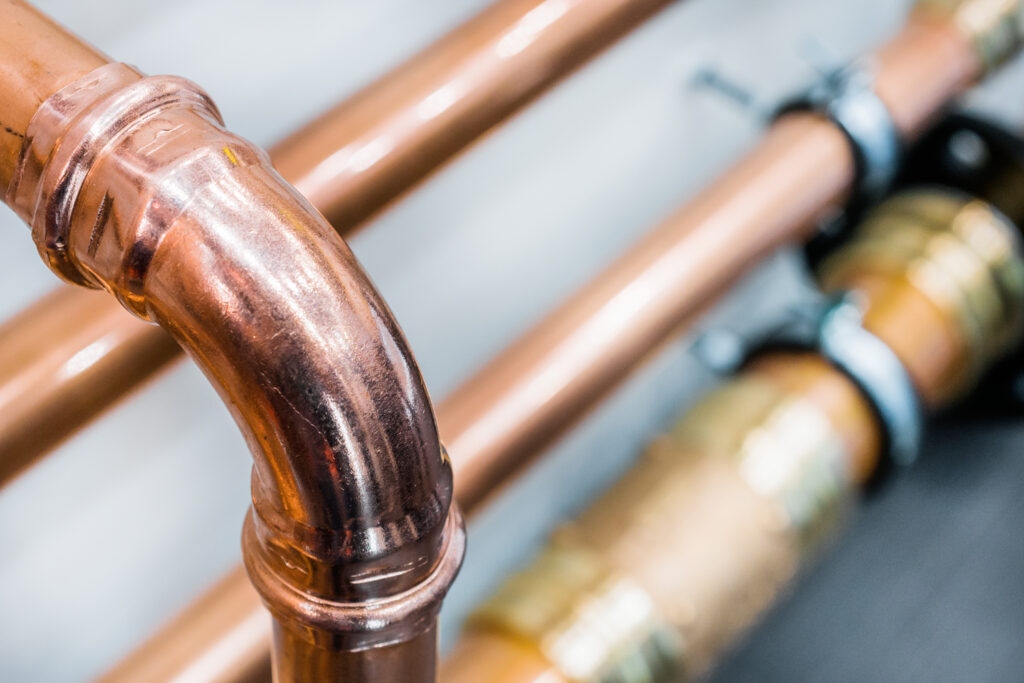
Laying hot water pipes, installing radiators in each room. Positioning them to maximise heat distribution, often under windows. - Installing the Boiler Unit
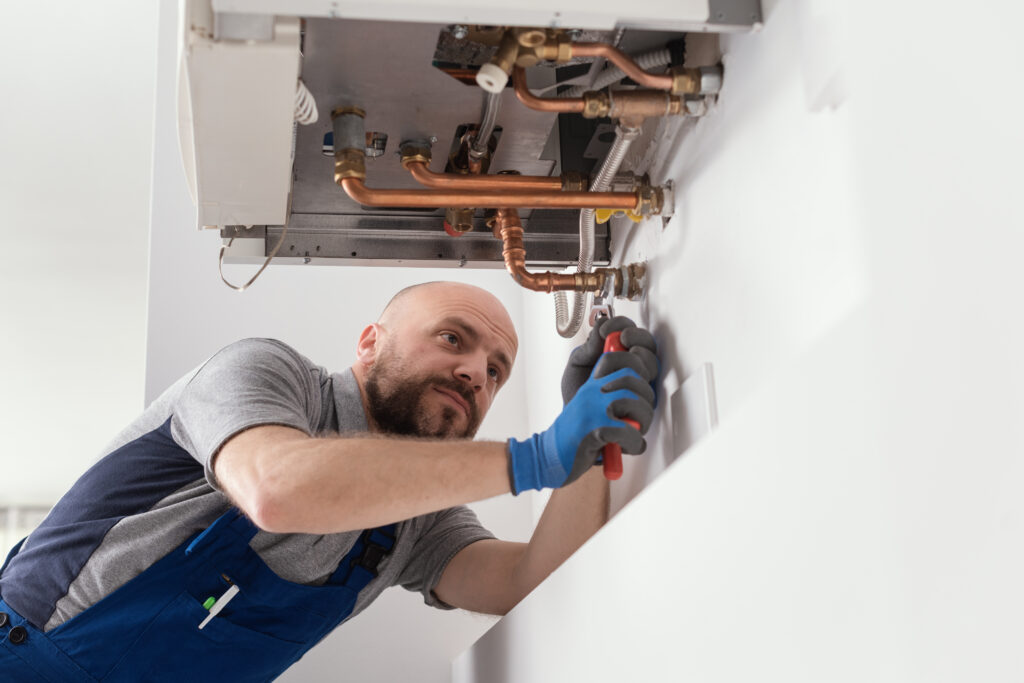
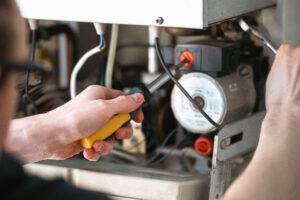
The new boiler is fitted (or in cases of replacement, the old one removed first). Gas/power supply connected, flue fitted, condensation and waste pipe work set up. - Controls & Thermostats
Thermostat installation, room-by-room control valves, timers or smart heating systems. - System Fill, Flush & Testing
Filling the heating circuit with water; bleeding air from radiators; checking for leaks; balancing radiators to ensure even heating; performing safety checks (gas, electrical where needed). - Final Touches & Handover
Making good after installation (repairing any walls/floors), cleaning up, giving you operation instructions, registering warranties.
Timeline & What Affects It
- A typical full installation might take 2–5 days for a standard house if no major structural changes are needed. (e.g. pipework already accessible, boiler replacement only)
- If you are adding pipework behind walls/floors, relocating boilers, changing system type, or doing work on underfloor heating or renewables, the timeline may extend to 1–2 weeks or more.
Cost Considerations
- Costs vary widely depending on boiler type, number and style of radiators, whether new pipework is needed, whether additional safety or ventilation work is required, and the complexity of controls.
- You might also need to budget for surveying, gas‑safe certification, any flue or chimney work, insulation improvements, or making good after installation.
Regulatory, Safety & Quality Things to Watch Out For
- Any gas work must be done by a Gas Safe registered engineer.
- Electrical work must comply with UK regulations (wiring, safety, zones).
- Ventilation and flue installation must meet building regulations.
- Systems should be correctly sealed and drained; leaks or air‑locks reduce efficiency.
- Controls and thermostats should allow you to safely and efficiently regulate heating.
- Ensure the installer provides guarantees or warranties and documentation of compliance.
Preparing Your Home & What You’ll Need
- Clear access to boiler location, radiators and pipe routes.
- Decide ahead on type and style of radiators, boiler brand, controls, thermostats.
- Be ready for some disruption: floors/walls may need chasing or opening; rooms may be out of use while installation is underway.
- Think about where materials will be stored and access for engineers.
Central heating Cornwall installation is manageable when you understand each stage: planning, installation, testing, and completion. With a reliable installer, clear specifications, proper safety & regulatory compliance, and realistic expectations for cost and timeline, your new system should deliver warmth, comfort and efficiency for years.
If you’re ready to install central heating Cornwall, contact our team at Toms & Co Plumbing for a free survey and tailored quote.
Contact Toms & Co Plumbing
Phone: 01752 427417
Email: James_toms123@icloud.com
Central Heating Cornwall FAQs
Q1: How long will a central heating Cornwall installation take in a typical home?
A1: Usually 2–5 days for a straightforward boiler replacement with existing pipework. More complex jobs (new pipework, changing boiler type) may take 1–2 weeks.
Q2: What type of boiler is best for central heating Cornwall homes?
A2: It depends on property size, current system, insulation and hot water demand. Combi boilers are popular for compact homes; system or regular boilers may be better for larger properties or if multiple bathrooms need hot water simultaneously. Smart controls can improve efficiency regardless of boiler type.
Q3: Can I choose smart controls and thermostats as part of the central heating Cornwall installation?
A3: Yes. Many modern systems support smart thermostats, individual room control valves, and timer programmes. These add upfront cost but often improve comfort and reduce energy usage over time for central heating Cornwall.