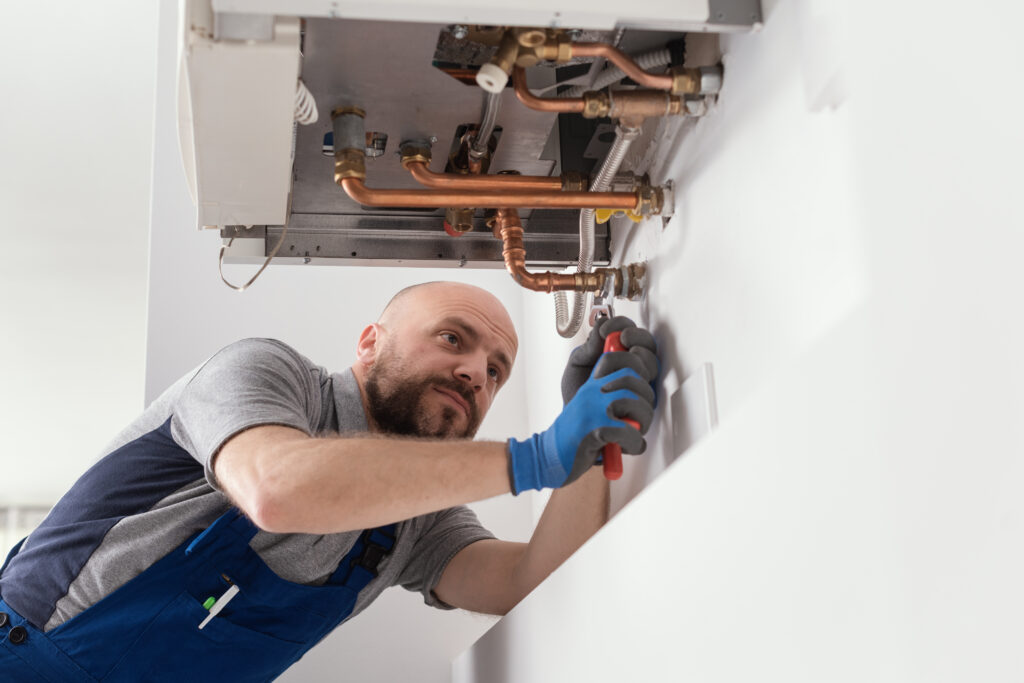
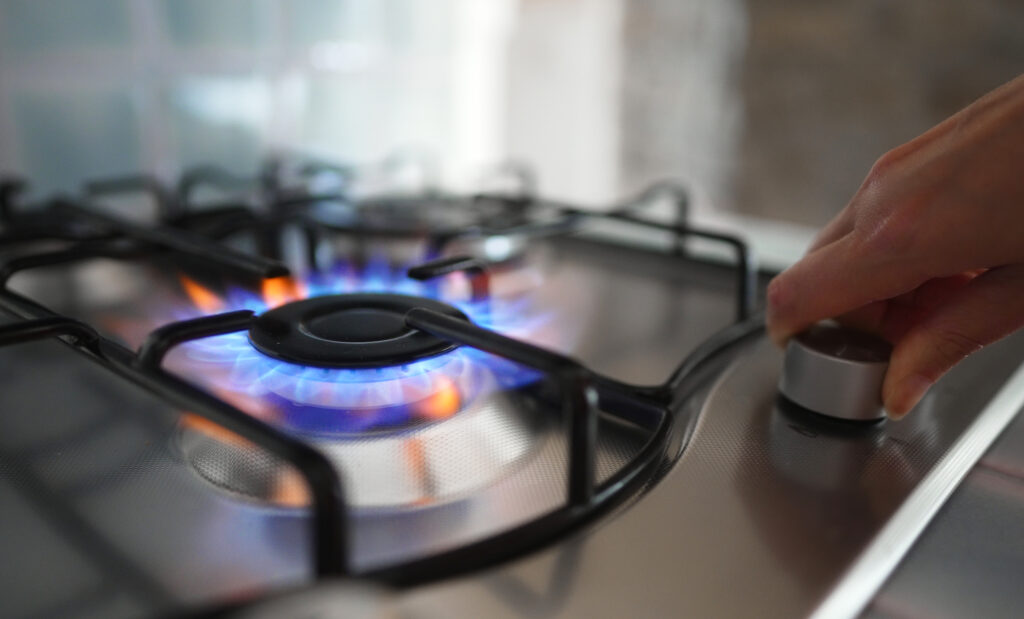
A landlord gas safety check is an annual inspection of the gas appliances and flues that a landlord provides for tenants to use. Its purpose is to confirm that the relevant gas equipment can be used safely and to identify faults that need attention.
The check must be completed by a Gas Safe registered engineer who is qualified to work on the particular types of appliance at the property. After completing the inspection, the engineer produces a gas safety record, often informally called a landlord gas safety certificate or CP12.
The record provides important evidence that the required checks have taken place, but arranging the annual visit is only one part of a landlord’s responsibilities. Landlords must also maintain the gas appliances, flues and relevant pipework in a safe condition, retain the appropriate records and provide copies to tenants within the required timescales.
Which properties need a landlord gas safety check?
The legal duty applies broadly where a landlord provides gas appliances or flues for tenants to use. This includes many privately rented homes, housing association properties and other forms of rented accommodation.
The Health and Safety Executive states that landlords must arrange checks for gas appliances, whether permanent or portable, and gas flues that they own and provide for their tenants. The duties can apply to boilers, gas fires, cookers, hobs, heaters and other supplied gas equipment.
The exact responsibilities can depend on the arrangement and type of accommodation, so landlords managing unusual properties, holiday lets, hostels, houses in multiple occupation or mixed-use buildings should seek advice relevant to their circumstances.
A property does not stop requiring attention simply because the tenancy has been running for several years or the appliances appear to work normally. The required safety check must be repeated at the appropriate interval.
Which gas appliances are included?
The annual check covers gas appliances that the landlord owns and provides for tenants to use, together with their associated flues.
Depending on the property, this could include:
- A gas boiler
- A gas fire
- A gas cooker or hob
- A wall-mounted gas heater
- A gas water heater
- A portable gas appliance supplied by the landlord
- The flues serving those appliances
Every appliance should be considered individually. A boiler passing its checks does not automatically confirm that the gas fire or cooker is also safe.
The landlord should give the engineer accurate information about all gas appliances present at the property. Appliances should remain accessible so that the required inspection can be completed properly.
If a landlord has disconnected an appliance but left it in the property, they should confirm with the engineer whether the disconnection is safe and whether any open pipework has been properly capped.
What about appliances owned by the tenant?
A tenant may bring their own gas cooker or another gas appliance into a rented home. In that situation, the landlord is not normally responsible for carrying out the annual safety check on the tenant’s appliance itself.
However, the landlord remains responsible for relevant parts of the installation and pipework serving it. The Health and Safety Executive distinguishes between a tenant-owned appliance and the associated gas installation for which the landlord may still have duties.
This is an important distinction because a tenant-owned appliance should not simply be ignored during property management. The engineer should be told that it belongs to the tenant so that the limits of the landlord’s check and responsibilities are clear.
Landlords may also wish to make the tenancy agreement clear about tenant-owned gas appliances and the requirement for them to be installed and maintained safely.
Who is allowed to complete the check?
A landlord gas safety check must be completed by a Gas Safe registered engineer. Registration alone is not enough for every possible job: the engineer must also be competent and registered for the relevant category of appliance and work.
For example, an engineer qualified to work on domestic boilers may not necessarily be registered for every specialist gas appliance. Landlords should therefore verify both the engineer’s registration and the categories listed on their Gas Safe identification card.
The Health and Safety Executive is explicit that these checks must be carried out by a Gas Safe registered engineer. A landlord cannot complete the statutory check personally simply because they have previous experience of gas work.
Using an appropriately qualified engineer provides landlords and tenants with confidence that the inspection has been conducted by someone authorised to assess the relevant equipment.
What does the engineer check on each appliance?
The exact procedure depends on the type, design and condition of the appliance. In general, the engineer checks whether the appliance is operating safely and whether combustion products can leave the property correctly.
The inspection may include checking:
- Whether the appliance is correctly set and operating at the right pressure
- Whether it is burning gas properly
- Whether safety devices work as intended
- Whether ventilation is adequate
- Whether the flue is suitable and functioning correctly
- Whether combustion products are being removed safely
- Whether the appliance shows signs of damage, deterioration or unsafe installation
- Whether there is evidence of gas leakage
- Whether the appliance is stable and securely fitted where relevant
- Whether controls and safety mechanisms respond correctly
The engineer may carry out visual inspections, operational tests and combustion-related checks as appropriate.
A gas safety check is focused on safety rather than providing a full overhaul of every component. This is why landlords should not assume that a satisfactory record means the appliance has been comprehensively serviced or that every developing reliability issue has been ruled out.
Are the flues checked as well?
Yes. Flues are a central part of gas safety because they remove combustion products from appliances.
A flue that is damaged, obstructed, poorly connected or terminating incorrectly may allow harmful gases to enter the property. The engineer therefore checks the accessible flue arrangements serving the landlord-provided appliances.
This may include looking at:
- The condition and route of the flue
- Whether joints and connections appear secure
- Whether the terminal is correctly located and unobstructed
- Whether combustion products are flowing away safely
- Whether ventilation openings have been blocked
- Whether concealed flue arrangements require additional inspection access
In flats and properties with concealed flues, the engineer may need suitable inspection hatches or another approved means of checking important sections. Landlords should address access concerns before the appointment rather than discovering during the visit that the flue cannot be properly assessed.
Is the gas pipework checked?
Landlords have a duty to maintain gas pipework in a safe condition, although the statutory gas safety record is primarily centred on appliances and flues.
During a landlord gas safety appointment, the engineer will commonly look for indications that the installation is safe and may perform tightness or leakage testing where appropriate. The exact scope can depend on the property and findings during the visit.
Landlords should not treat the absence of an obvious leak as proof that the pipework requires no maintenance. Corrosion, accidental damage, poorly supported pipes and inappropriate alterations can all affect safety.
If the engineer identifies a concern beyond the immediate appliance checks, further investigation or remedial work may be recommended.
What happens if an appliance is unsafe?
If an appliance fails the safety check, the engineer will explain the fault and classify the risk in line with current gas industry procedures.
Depending on the seriousness of the issue, the appliance may be:
- Left operational with advice for remedial work
- Turned off and labelled as unsafe
- Disconnected with the responsible person’s permission
- Subject to immediate action because of a serious danger
Landlords should act promptly on any warning or recommendation. Tenants should not be expected to continue using an appliance that has been identified as unsafe.
Where the boiler provides the property’s heating or hot water, the landlord may need to arrange urgent repairs and consider temporary support for the occupants. The safety issue must take priority over inconvenience or cost.
The gas safety record should show any defects identified and any action taken during the visit. Landlords should retain invoices, repair reports and follow-up records alongside the original safety documentation.
What information appears on the gas safety record?
After completing the checks, the engineer produces a record containing the key details of the inspection.
The information should generally identify:
- The property where the check took place
- The landlord or managing agent
- The Gas Safe registered engineer
- The engineer’s registration details
- Each appliance and flue checked
- The location of each appliance
- The results of the safety checks
- Any defects discovered
- Any action taken or required
- Confirmation of the checks completed
- The date of the inspection
The record may be supplied on paper or electronically. Landlords should check it carefully and make sure the property details, appliance list and inspection date are accurate.
A record should not be treated as a substitute for completing repairs. If it identifies a defect, the landlord should retain evidence that the problem was corrected by an appropriately qualified engineer.
How often must the check be completed?
Landlord-provided gas appliances and flues must generally be checked annually.
The Health and Safety Executive states that a check must be carried out within 12 months of installing a new appliance or flue and annually thereafter.
Landlords can arrange the next check during the two months before the existing deadline while retaining the original expiry cycle under the permitted flexibility arrangements. This helps landlords organise access without gradually bringing the deadline forward each year.
Leaving the booking until the final few days creates unnecessary risk. Tenants may be unavailable, the engineer may need to return or repair work may be required before the deadline.
A practical approach is to begin arranging the visit well in advance, retain written correspondence and allow enough time for access difficulties to be resolved.
When must tenants receive a copy?
Existing tenants must receive a copy of the completed gas safety record within 28 days of the check.
New tenants must receive a valid record before they move into the property. The landlord must also retain the required records, with the Health and Safety Executive stating that records should be kept for at least two years.
The record may be supplied electronically where the arrangements meet the relevant requirements and the tenant can access it. Otherwise, a paper copy can be provided.
Landlords should keep evidence of when and how the record was issued. This might include an email trail, signed tenancy documents or property management records.
Providing the document promptly is important. It helps tenants understand which appliances have been inspected and gives the landlord evidence that their record-sharing duty has been addressed.
Is a landlord gas safety check the same as a boiler service?
No. A gas safety check and a boiler service have related but different purposes.
A landlord gas safety check assesses whether the relevant gas appliances and flues are safe to use at the time of inspection. It supports the landlord’s statutory annual checking duty.
A boiler service is generally a more detailed maintenance procedure completed according to the appliance manufacturer’s instructions. It may include cleaning, examining internal components, checking performance, inspecting seals and identifying wear that could affect future reliability.
The Health and Safety Executive notes that the duty to maintain gas appliances and flues is distinct from the requirement to keep gas safety records. Effective maintenance normally involves periodic inspection and any necessary remedial work rather than relying on the annual safety record alone.
In practice, many landlords arrange a boiler service and gas safety check during the same appointment. This can be convenient, but both tasks should be clearly listed so the landlord knows exactly what has been completed.
Does passing the safety check mean no maintenance is needed?
A satisfactory check confirms that the appliances and flues assessed met the required safety criteria at that time. It does not guarantee that the boiler will remain reliable for the following year.
Parts can wear, pressure can fall, leaks can develop and controls can fail after the inspection. Tenants should therefore be encouraged to report changes promptly rather than waiting for the next annual appointment.
Landlords should respond to reports such as:
- A smell of gas
- A carbon monoxide alarm sounding
- Soot or staining around an appliance
- A yellow or unstable flame
- Repeated boiler lockouts
- Unusual noises
- Water leaking from the boiler
- Headaches or nausea that appear linked to appliance use
- Damage to a flue or ventilation opening
An annual check is a minimum recurring safety measure, not permission to postpone repairs between inspections.
Are carbon monoxide alarms checked?
A landlord gas safety check may include noting the presence and condition of carbon monoxide alarms, but landlords should not assume this automatically fulfils every separate alarm requirement.
Carbon monoxide alarms are an additional safety measure. They do not replace correct installation, annual gas checks or appliance maintenance.
Landlords should confirm which alarm rules apply to their property and make sure alarms are installed in the correct locations, working at the start of the tenancy and replaced when they reach the end of their service life.
Testing an alarm button confirms that the sounder and battery circuit respond, but it does not replace professional gas safety checks.
If a carbon monoxide alarm sounds, occupants should leave the affected area, ventilate where safe, stop using the appliance and seek emergency assistance. They should not remove the battery and continue using the equipment.
What if the tenant refuses access?
Landlords must make reasonable efforts to arrange the check, but they should not force entry without following the proper legal process.
Good practice includes contacting the tenant well before the deadline, offering reasonable appointment options and explaining why access is needed. Every attempt should be documented.
Useful records may include:
- Emails and letters
- Text messages
- Appointment confirmations
- Notes of telephone calls
- Cards left at the property
- Details of missed appointments
- Alternative dates offered
The tenancy agreement may contain access provisions, but landlords should still give appropriate notice and follow relevant housing law.
If access remains impossible, the landlord should seek professional legal or property management advice rather than allowing the annual deadline to pass without taking further action.
What should landlords do before the appointment?
Preparation can help the engineer complete the check efficiently.
Landlords or managing agents should:
- Confirm all gas appliances present at the property
- Identify which appliances belong to the landlord
- Give the engineer access to the boiler, meters, flues and other appliances
- Tell the tenant when the visit will happen
- Ask the tenant to clear belongings from appliance areas
- Provide previous records where useful
- Mention any faults or tenant concerns in advance
- Confirm whether a full service is also required
The engineer should not be expected to move heavy furniture, dismantle fixed cupboards or search for hidden appliances.
Where the property has unusual flue arrangements, locked meter cupboards or communal access requirements, these should be resolved before the appointment.
Toms & Co Plumbing and Heating provides professional gas work for domestic customers and landlords in Devon.
How can landlords keep gas safety records organised?
Landlords managing several properties can reduce missed deadlines by using a central tracking system.
For each property, record:
- The annual check date
- The deadline for the next check
- Appliance details
- Engineer information
- Repairs recommended
- Repairs completed
- The date the tenant received the record
- Service dates
- Carbon monoxide alarm details
- Attempts to arrange access
Digital calendar reminders can be set several weeks before the deadline. Keeping records by property rather than by contractor can make the information easier to retrieve during a tenancy, property sale or local authority inspection.
Documents should be stored securely, but accessible enough that a tenant copy can be supplied promptly if required.
Frequently Asked Questions
Does a new boiler need a landlord gas safety check immediately?
A newly installed landlord-provided appliance must be included within the landlord’s gas safety arrangements. The Health and Safety Executive states that the first annual check must be carried out within 12 months of installation, followed by annual checks thereafter. Landlords should retain the installation and commissioning documents alongside their safety records.
Can the tenant arrange the gas safety check?
The landlord remains responsible for ensuring the required check is completed. A managing agent may organise it on the landlord’s behalf, but responsibilities should be clearly assigned in writing. The engineer must still be appropriately Gas Safe registered.
Does an empty rental property need a current gas safety record?
A valid gas safety record must be provided to new tenants before they move in. If the existing record remains within its 12-month validity period, it can generally be provided to the incoming tenant. Landlords should still check whether appliances have been altered or damaged while the property was empty.
Must a gas cooker supplied by the landlord be checked?
Yes. A gas cooker or hob supplied by the landlord is a gas appliance provided for the tenant’s use and should be included in the annual safety check.
How long should a landlord keep gas safety records?
The Health and Safety Executive states that landlords must keep the gas safety check record for two years. Keeping related maintenance, repair and tenant-delivery evidence for longer may also be useful as part of organised property records.
A landlord gas safety check covers the landlord-provided gas appliances and their flues, confirms that they are operating safely and records any defects or actions required. It must be completed by an appropriately qualified Gas Safe registered engineer.
Landlords must also remember that the annual check is only one part of gas safety management. Appliances, pipework and flues must be maintained, faults must be addressed and tenants must receive the gas safety record within the required timescale.
For landlord gas safety checks and professional gas work in Devon, contact Toms & Co Plumbing and Heating on 01752 427417 or email James_toms123@icloud.com.
Find out more: Toms & Co Plumbing and Heating