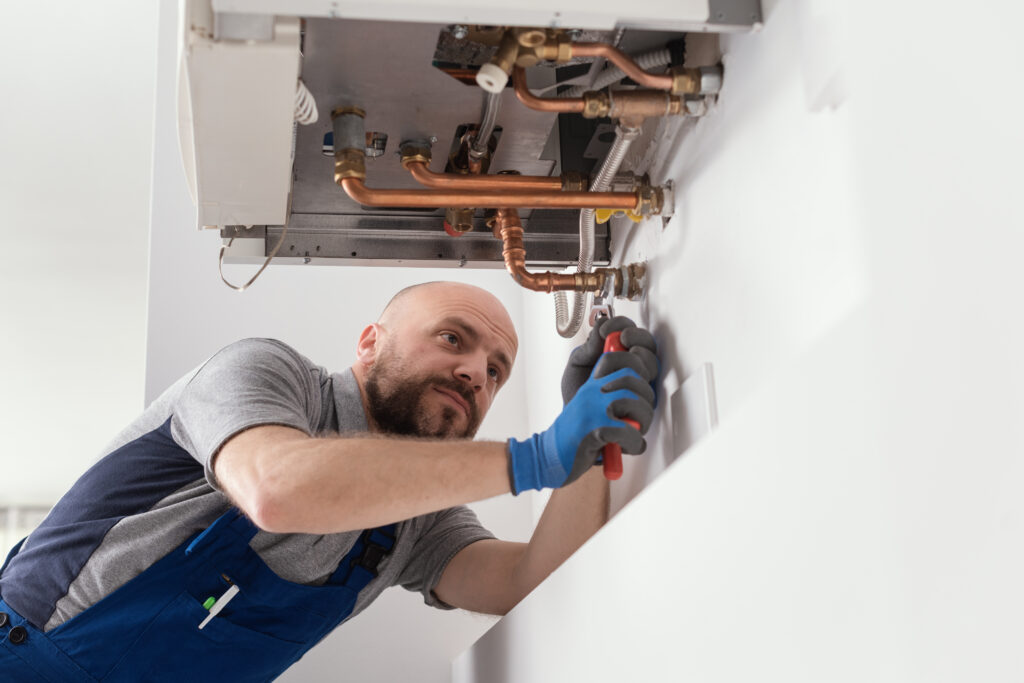
Most homeowners will need professional plumbing services at some point, even when their property appears to be in good condition. Plumbing systems work continuously behind walls, beneath floors and inside cupboards, carrying clean water into the home and wastewater safely away. A relatively small fault can therefore affect several rooms or cause damage before the source becomes obvious.
Some plumbing jobs are urgent, such as controlling a burst pipe or repairing a serious leak. Others develop gradually, including dripping taps, slow drainage, reduced water pressure and ageing pipework. There are also planned projects to consider, from installing a new bathroom to moving a kitchen sink or preparing plumbing for a home extension.
Understanding the most common reasons for calling a plumber can help you recognise problems earlier, choose the right response and avoid allowing a manageable repair to become a disruptive household emergency.
Which plumbing repairs are most common in UK homes?
The most common domestic plumbing work generally involves water leaks, taps, toilets, sinks, showers, baths, appliances and internal pipework. These parts of the system are used frequently, so seals, valves, washers, joints and other components can gradually deteriorate.
A professional plumber may be called to investigate:
- Dripping or difficult-to-operate taps
- Leaking pipes, joints and valves
- Toilets that constantly run, leak or will not flush
- Slow-draining sinks, baths and showers
- Low or inconsistent water pressure
- Noisy or vibrating pipework
- Leaks beneath sinks or behind appliances
- Problems connecting washing machines and dishwashers
- Damaged waste pipes and above ground drainage
- Plumbing changes for bathrooms, kitchens and renovations
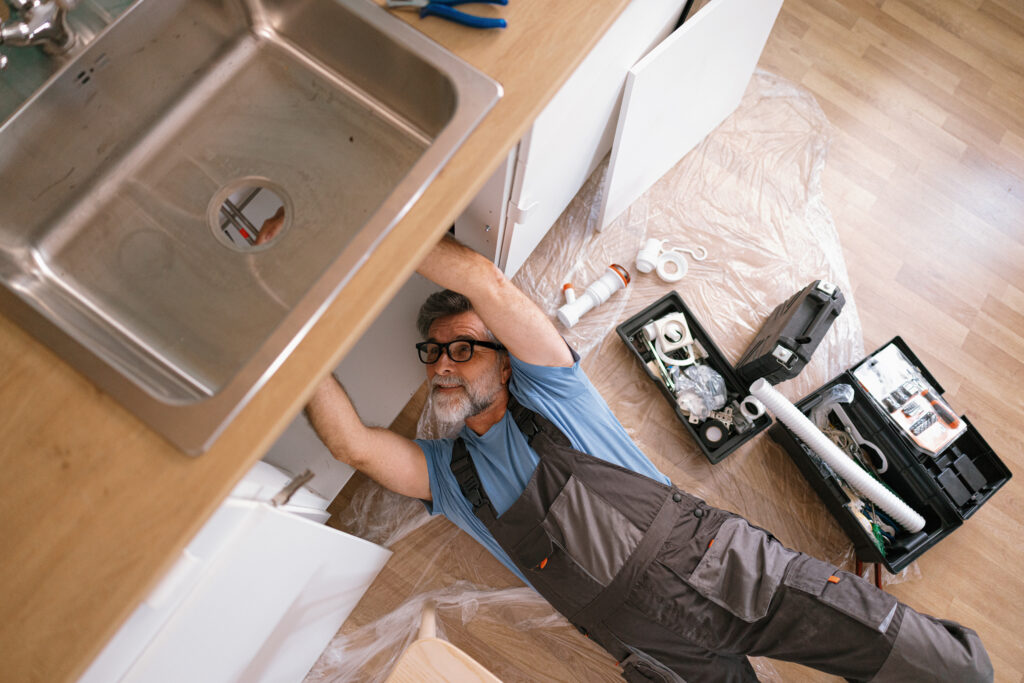
Although some faults initially seem minor, the underlying cause is not always visible. Water appearing beneath a kitchen sink, for example, could come from the tap connection, supply pipe, waste fitting, appliance hose or seal around the sink itself. Replacing the wrong component may fail to solve the problem.
Professional diagnosis is therefore an important part of domestic plumbing services. It helps identify where the water is coming from, why the fault occurred and whether surrounding fittings or materials have been affected.
When does a leaking tap or pipe need professional attention?
Any unexplained or continuing leak deserves attention. A tap that drips occasionally may not feel urgent, but it wastes treated water and may indicate a worn washer, cartridge, valve or damaged seating. Delaying the repair can make the tap harder to operate and may eventually require more extensive replacement.
Pipe leaks can be more serious because the escaping water may travel away from the original fault. A damp patch on a ceiling does not necessarily mean that the pipe directly above it is leaking. Water can run along joists, pipes and other surfaces before becoming visible.
Warning signs of a concealed leak can include:
- Damp patches, staining or peeling decoration
- A musty smell in cupboards or enclosed spaces
- Unexplained mould growth
- Reduced water pressure
- The sound of running water when outlets are closed
- An unusually high metered water bill
- Flooring that feels damp, raised or unstable
- Persistent boiler pressure loss where heating pipework may be involved
WaterSafe advises householders who discover a significant leak to turn off the supply at the internal stop tap, which is often located beneath the kitchen sink but may be elsewhere depending on where the mains supply enters the property. Homeowners should know its location before an emergency occurs and avoid forcing it if it will not move.
After isolating the water, open a cold tap to help drain the remaining supply and move belongings away from the affected area where it is safe to do so. Electrical fittings near escaping water should not be touched. The next step is to arrange a professional assessment rather than repeatedly reopening the supply to test the fault.
What toilet problems can a plumber repair?
Toilets contain several moving and sealing components that can wear, stick or become incorrectly adjusted. One of the most common faults is a cistern that continues to refill or allows water to trickle into the pan after flushing.
A constantly running toilet is easy to overlook because the water may flow silently down the back of the bowl. However, the fault can waste a substantial amount of water over time. WaterSafe notes that a leaking toilet can waste hundreds of litres per day, making early repair worthwhile for both environmental and cost reasons.
Other common toilet repairs include weak or incomplete flushing, a handle or button that does not work, water leaking around the base, a cistern that fills slowly and recurring blockages. The right repair depends on whether the fault lies with the inlet valve, flush mechanism, seals, pan connector, waste pipe or another component.
A blockage affecting only one toilet may be local to the pan or nearby waste pipe. When several toilets, sinks or drains are affected at the same time, the problem may be further along the drainage system and require a broader investigation.
What bathroom and kitchen plumbing problems can be fixed?
Bathrooms and kitchens place a high demand on household plumbing. Both rooms combine water supplies, waste connections, seals, taps, appliances and frequently used fittings in relatively confined spaces.
Common bathroom plumbing work
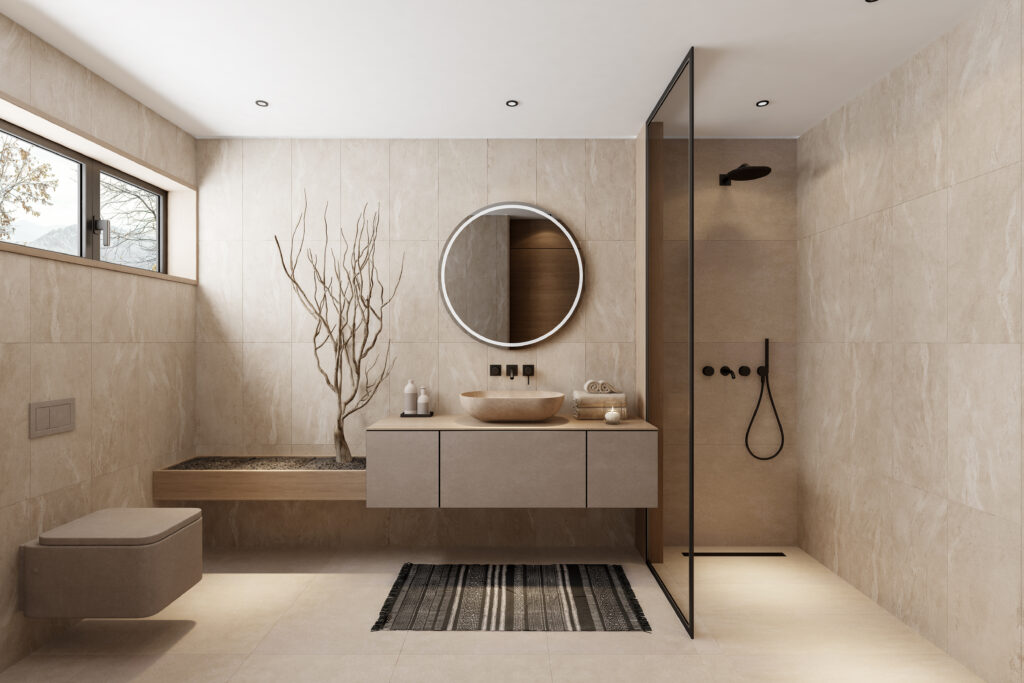
Bathroom plumbing services often include repairing or replacing taps, showers, toilets, basins, baths, valves and exposed pipework. A plumber may also investigate poor shower pressure, fluctuating temperatures, leaking shower enclosures and waste pipes that drain slowly or produce unpleasant smells.
Some apparent plumbing leaks are caused by failed silicone, damaged grout or water escaping around a poorly fitted shower screen. Others come from concealed supply or waste connections. Correctly identifying the source is essential before tiles, flooring or sanitaryware are removed unnecessarily.
For a planned refurbishment, a plumber can help assess whether the proposed layout works with the existing water supplies, soil pipe and waste routes. Keeping fixtures close to their current positions is often simpler, but moving them may be possible when pipe gradients, ventilation and access can be managed correctly.
Homeowners considering a larger project can explore Toms & Co’s bathroom installation service for related information.
Common kitchen plumbing work
In kitchens, plumbers commonly work on sinks, taps, waste traps, supply valves, washing machines and dishwashers. Leaks often develop around flexible tap connectors, isolation valves, appliance hoses and waste fittings beneath the sink.
Kitchen renovations may require more substantial work. A new layout could involve relocating the sink, providing connections for an appliance or adjusting pipework around new cabinets. These changes should be planned before units and worktops are installed, as poor sequencing can restrict access and create unnecessary alterations later.
The kitchen installation page provides further information for homeowners planning a wider improvement rather than an individual repair.
Why do sinks, baths and showers drain slowly?
Slow drainage usually develops because something is restricting the waste pipe. Kitchen sinks commonly collect grease, fat, food residue and detergent deposits. Bathroom wastes tend to accumulate hair, soap, limescale and personal care products.
The shape and condition of the pipework can also contribute. Insufficient fall, poorly arranged fittings, partial pipe collapse or a build-up further along the waste route may cause water to drain slowly even after the accessible trap has been cleaned.
Homeowners can remove visible hair from a shower waste or carefully clean an accessible sink trap, provided they are confident about refitting it correctly. Repeatedly using harsh chemical drain cleaners is not always the best answer. Chemicals may fail to remove a solid obstruction, can be hazardous to handle and may make subsequent work less safe for the plumber.
Professional help is sensible when:
- The blockage keeps returning
- More than one outlet drains slowly
- Water rises in another fixture when one is emptied
- Wastewater or unpleasant smells enter the room
- Pipework leaks after an attempted clearance
- The obstruction is beyond the accessible trap
- Older waste pipes may be damaged or incorrectly installed
A recurring blockage is usually a symptom rather than the complete problem. Finding and correcting the cause offers better long-term value than repeatedly clearing the same restriction.
Can a plumber help with poor water pressure?
Low water pressure can affect the whole property or a single outlet. The distinction helps narrow down the cause.
When one tap or shower is affected, the problem may involve a blocked aerator, faulty cartridge, restrictive valve, kinked hose or issue with the fixture itself. Whole-house pressure problems can be associated with the incoming supply, internal stop tap, supply pipe, hidden leak or unsuitable pipework.
WaterSafe identifies reduced flow at the cold kitchen tap, unusually high water bills and waterlogged ground as possible signs of a leaking supply pipe. The organisation recommends using water-meter readings, where available, to help determine whether water is being lost while outlets are closed.
High pressure can also cause problems. It may contribute to noisy pipework, increased wear on valves and sudden movement when outlets close. A plumber can measure the pressure and flow, inspect relevant controls and determine whether the issue belongs to the internal plumbing or should be raised with the local water supplier.
What causes noisy household pipework?
Banging, knocking, humming and vibrating pipes can have several causes. Pipes may be inadequately clipped and move against nearby surfaces as water flows through them. Worn tap components, faulty ball valves, trapped air and rapid changes in flow can also generate noise.
WaterSafe lists loose pipe clips, faulty ball valves, trapped air and worn components within stop taps among possible causes of banging pipework.
Noise should not automatically be dismissed as a harmless feature of an older home. Movement can strain joints over time, while vibration may indicate a valve or fitting that requires attention. The plumber may need to observe when the noise occurs, such as when a particular tap closes, an appliance fills or the heating starts.
Providing this context can make diagnosis quicker. A short recording of an intermittent sound can also be useful when the problem does not occur during the appointment.
How can plumbing maintenance prevent emergencies?
Plumbing maintenance is not limited to an annual appointment. Homeowners can reduce risk by paying attention to small changes and keeping important components accessible.
Useful household checks include looking beneath sinks for moisture, checking appliance hoses, monitoring toilet cisterns, clearing accessible wastes and inspecting exposed pipework for corrosion. The internal stop tap should remain accessible rather than being hidden behind stored items or permanently enclosed cabinetry.
Outdoor taps and vulnerable pipes may need protection before freezing weather. Rooms containing plumbing should have enough background warmth to prevent temperatures falling excessively during cold periods, particularly when the property is unoccupied.
Professional maintenance becomes especially valuable in older properties, homes with a history of leaks or buildings undergoing renovation. A plumber can assess ageing valves, deteriorating joints, unsupported pipework and previous alterations that may not have been completed to an appropriate standard.
Preventative work cannot guarantee that a fault will never occur, but it can reduce the likelihood of sudden failure and give homeowners time to budget for replacement.
When should old plumbing be repaired or replaced?
Repair is often appropriate when the fault is isolated and the surrounding system remains in sound condition. A leaking valve, failed flexible connector or damaged section of accessible pipe may be straightforward to replace without altering the wider installation.
Replacement becomes more practical when failures are recurring, pipework is extensively corroded or the existing layout no longer meets the household’s needs. Repeatedly repairing different sections of the same ageing system can cost more over time while leaving the underlying weakness in place.
The decision should consider:
- The age and material of the pipework
- The number and frequency of previous leaks
- Whether corrosion is localised or widespread
- How easily the pipe can be accessed
- Whether a renovation will expose the plumbing
- The consequences of another failure
- Whether the system provides adequate pressure and flow
A renovation creates a useful opportunity to replace questionable pipework while floors, walls or ceilings are already open. Completing the work later could require disturbing finished surfaces and increase the overall cost.
Which plumbing jobs should homeowners avoid doing themselves?
Simple tasks such as cleaning an accessible tap aerator may be manageable, but homeowners should be cautious about work that could cause flooding, contaminate the water supply or interfere with gas appliances.
Gas work must be completed by an appropriately qualified Gas Safe registered engineer. The Health and Safety Executive states that anyone employed to work on domestic gas appliances must be Gas Safe registered and competent for that specific category of work. Homeowners can verify an engineer’s registration and qualifications before allowing work to begin.
Plumbing alterations also need to comply with applicable water fittings requirements. WaterSafe-approved plumbers receive training relating to the Water Fittings Regulations and Byelaws, which are intended to protect water quality and prevent waste and misuse.
Even a seemingly basic repair can become complicated if an isolation valve fails, old pipework cracks or the replacement part is incompatible. Homeowners should consider the potential consequences, not only the apparent difficulty of the first step.
How should you prepare for a plumber’s visit?
Clear information helps the plumber understand the issue and arrive prepared. Explain when the problem started, which fixtures are affected and whether anything changed beforehand. Photographs of accessible fittings, model numbers and visible damage may also be useful.
Before the visit, clear belongings away from the affected area and make sure the stop tap, boiler and relevant cupboards can be reached. Do not conceal recent DIY attempts, temporary sealants or chemical drain treatments. These details can affect both diagnosis and safe working.
For larger projects, describe the outcome you want rather than prescribing a particular technical solution. An experienced plumber may identify a more practical route, especially where existing pipes, drainage gradients and access influence what can be achieved.
Frequently Asked Questions
How quickly should I arrange a repair for a dripping tap?
A dripping tap is rarely the same level of emergency as a burst pipe, but it should not be ignored. Arrange a repair if the dripping continues, the tap is becoming difficult to operate or water is escaping around its base. Early attention may allow a small component to be replaced before the complete tap deteriorates.
Can one plumber handle both plumbing and heating problems?
Many plumbing and heating businesses cover both areas, but the engineer must hold the correct qualifications for the work being completed. Gas-related work requires Gas Safe registration and competence for the relevant appliance. Ask what the visit covers when arranging the appointment.
Why does a plumbing problem keep returning after being repaired?
Recurring faults may mean that only the immediate symptom was addressed. A repeated blockage could result from damaged or poorly arranged waste pipes, while recurring leaks may indicate excessive pressure, corrosion or wider deterioration. A more detailed investigation may be needed to identify the underlying cause.
Is a plumbing inspection worthwhile before buying a house?
A standard property survey may identify visible signs of plumbing problems but will not necessarily test every pipe, valve, fitting and appliance. A separate inspection can be worthwhile when buying an older property, planning major renovations or responding to evidence of leaks, low pressure or historic water damage.
What information should a plumbing quotation include?
A useful quotation should clearly describe the proposed work, major materials, labour charges and whether VAT applies. It should also explain any assumptions, exclusions or additional work that may be required if concealed damage is discovered. For larger projects, ask about the payment schedule and how changes will be agreed.
Plumbing services cover far more than emergency leaks. Homeowners commonly need help with taps, toilets, drainage, appliances, water pressure, ageing pipes and planned bathroom or kitchen improvements. Recognising warning signs early and arranging an accurate diagnosis can protect the property, reduce water waste and prevent repeated repairs.
For reliable plumbing and heating support across Devon, contact Toms & Co Plumbing and Heating on 01752 427417 or email James_toms123@icloud.com.
Find out more: Toms & Co Plumbing and Heating