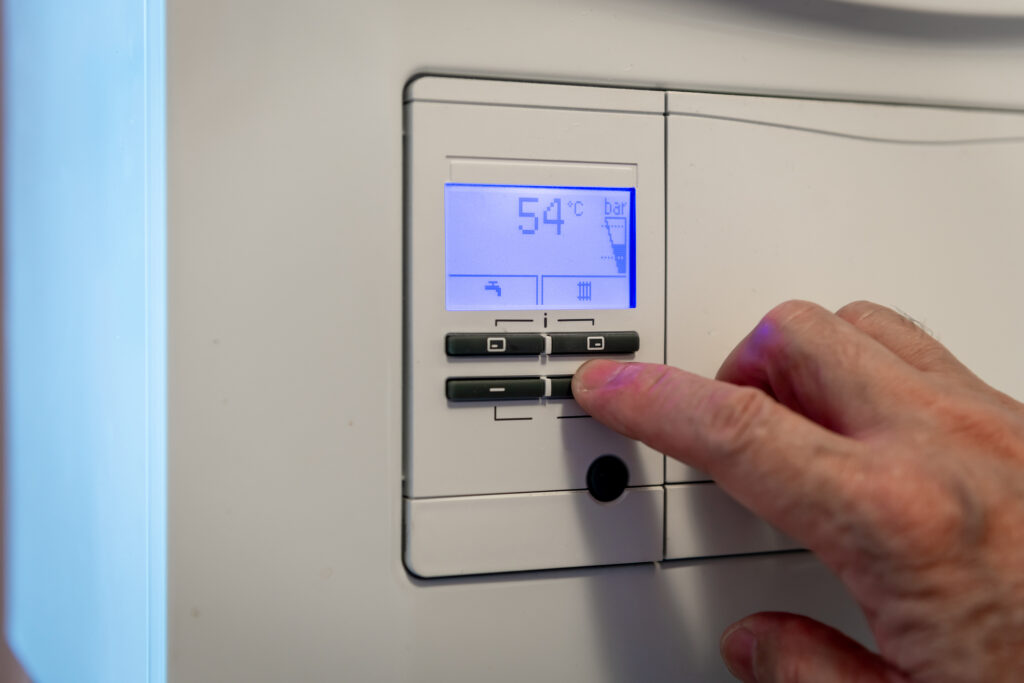
Booking a professional gas boiler service Exeter homeowners trust is one of the most important steps in keeping a heating system safe, reliable and energy efficient. While many people arrange servicing simply to avoid winter breakdowns, the process is also essential for identifying safety concerns, improving performance and extending the lifespan of the boiler itself.
Gas boilers work hard throughout the year, particularly during colder months when heating demand increases significantly. Over time, internal components naturally experience wear, dirt accumulation and reduced efficiency. Without regular maintenance, these issues can gradually lead to higher energy bills, unreliable heating and expensive emergency repairs.
Many homeowners are unsure exactly what happens during a boiler service appointment. In reality, a professional service involves far more than a quick visual inspection. Engineers carry out a series of detailed checks designed to ensure the boiler operates safely and efficiently.
In this guide, we will explain what heating engineers typically inspect during a gas boiler service Exeter and why each part of the process matters.
Why Annual Gas Boiler Service Exeter Matters
Gas boilers are complex appliances containing multiple components that must work together safely.
Over time, issues can develop such as:
- Reduced combustion efficiency
- Wear on moving parts
- Blockages
- Pressure problems
- Corrosion
- Faulty seals
- Gas leaks
- Ventilation issues
Many of these problems begin gradually and may not initially cause obvious symptoms. However, left untreated, they can eventually lead to complete boiler failure or even serious safety risks.
An annual gas boiler service Exeter engineers provide helps detect these issues before they escalate into larger problems.
Regular servicing also helps maintain manufacturer warranties and ensures boilers continue operating as efficiently as possible.
Initial Visual Safety Inspection
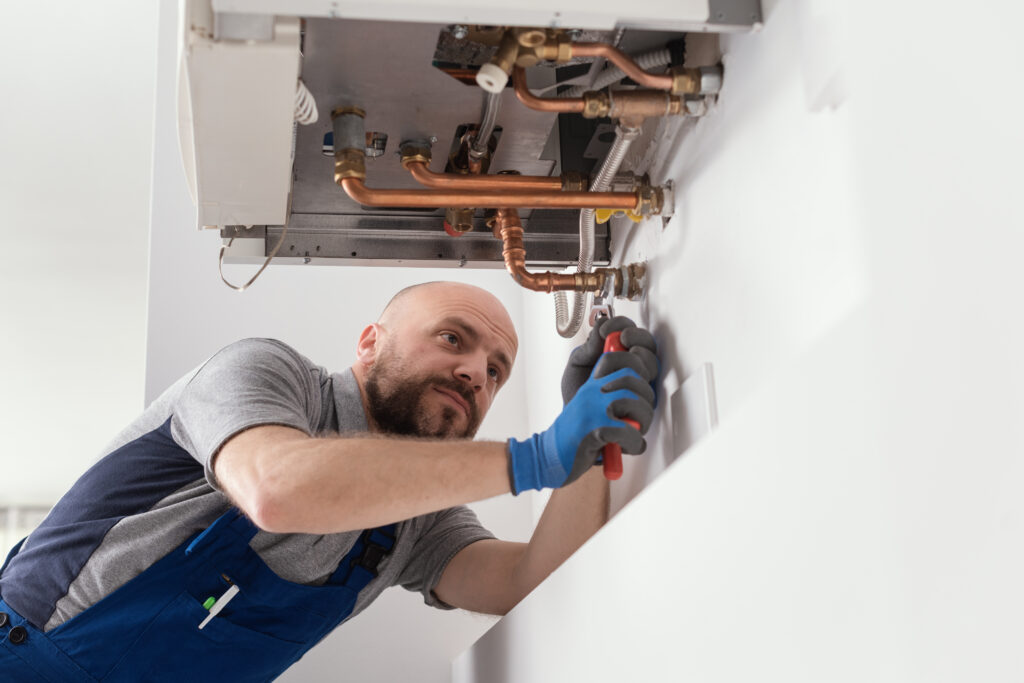
A service appointment usually begins with a general visual inspection of the boiler and surrounding installation.
The engineer checks for obvious signs of:
- Water leaks
- Corrosion
- Damage to pipework
- Unsafe positioning
- Poor ventilation
- Incorrect installation issues
External components such as flues, condensate pipes and connections are also examined.
This initial stage often identifies visible problems that homeowners may not have noticed.
For example, slight corrosion around pipe joints or staining beneath the boiler may indicate slow leaks developing within the system.
Checking the Boiler Casing and Internal Components
After completing external inspections, the engineer will usually remove the boiler casing to inspect internal components.
Inside the boiler, several important parts require assessment.
Burner Inspection
The burner is responsible for creating the flame that heats the water within the system.
The engineer checks:
- Burner condition
- Signs of wear
- Dirt or debris accumulation
- Flame stability
- Combustion performance
A dirty or damaged burner can reduce efficiency and affect safety.
Heat Exchanger Examination
The heat exchanger transfers heat into the water circulating through the heating system.
Over time, sludge, dirt and corrosion can reduce performance.
If neglected, restricted heat exchangers force the boiler to work harder, increasing fuel consumption and placing strain on components.
Fan and Pump Checks
The engineer will inspect moving components such as fans and pumps for signs of wear or unusual noise.
Faulty fans can affect combustion and flue performance, while failing pumps may reduce heating circulation.
Gas Pressure and Flow Testing
Correct gas pressure is essential for safe and efficient boiler operation.
During a gas boiler service Exeter homeowners arrange, the engineer checks that the boiler receives the appropriate gas pressure and flow rate.
Incorrect pressure may result from:
- Pipework issues
- Regulator problems
- Installation faults
- Internal boiler issues
Poor gas pressure can reduce heating performance and increase energy consumption.
Flue and Ventilation Safety Checks
The flue safely removes harmful combustion gases from the property.
A damaged or blocked flue creates serious safety concerns because dangerous gases may not vent correctly.
The engineer will inspect:
- Flue positioning
- Secure connections
- Signs of damage
- Ventilation adequacy
- Airflow performance
Ventilation is particularly important for safe combustion. Boilers require sufficient airflow to burn gas correctly and safely.
According to Gas Safe Register, poorly maintained gas appliances can create serious carbon monoxide risks if faults are left untreated.
Combustion Analysis Testing
Modern servicing often includes combustion analysis testing.
This involves using specialist equipment to measure combustion gases and assess how efficiently the boiler is burning fuel.
The engineer checks for:
- Proper combustion ratios
- Safe emissions levels
- Efficient fuel usage
- Signs of incomplete combustion
Poor combustion can indicate underlying issues affecting both safety and efficiency.
This stage is particularly important because combustion problems are not always visible during standard visual inspections.
Cleaning Critical Components
During servicing, certain parts may be cleaned to improve performance and reliability.
This can include:
- Burners
- Heat exchangers
- Condensate traps
- Magnetic filters
- Internal chambers
Cleaning helps restore efficient operation and reduces strain on the system.
For example, sludge accumulation within heating systems is a common cause of reduced radiator performance and uneven heating.
Pressure and Expansion Vessel Checks
Boiler pressure plays an important role in system stability.
The engineer checks system pressure levels and examines the expansion vessel, which helps regulate pressure changes during heating cycles.
Pressure-related problems may cause:
- Boiler lockouts
- Noisy operation
- Inconsistent heating
- Water leaks
If issues are identified early, relatively simple adjustments or repairs may prevent larger failures later.
Thermostat and Controls Testing
Heating controls also affect efficiency and comfort.
During servicing, the engineer may test:
- Thermostat accuracy
- Programmer operation
- Timer settings
- Smart control functionality
Incorrect thermostat readings can cause unnecessary heating cycles and increased energy bills.
Many homeowners are surprised how much difference properly calibrated controls can make to overall heating performance.
Real-World Example of Preventative Servicing
Consider a homeowner in Exeter arranging an annual gas boiler service before winter.
The boiler appears to function normally, but during servicing the engineer identifies early corrosion within the heat exchanger and reduced gas pressure affecting combustion efficiency.
Although the homeowner had not noticed major issues yet, the developing faults would likely have caused significant problems during colder weather when heating demand increased.
Because the issues were identified early, repairs remain relatively straightforward and affordable.
Without servicing, the homeowner may have faced a mid-winter breakdown and a far larger repair bill.
Why Servicing Helps Reduce Energy Bills
Boilers that operate efficiently use less fuel to produce the same level of heating.
Even relatively small efficiency improvements can reduce annual heating costs over time.
Servicing helps improve efficiency by:
- Cleaning dirty components
- Optimising combustion
- Correcting pressure issues
- Identifying restricted circulation
- Improving thermostat performance
An annual gas boiler service Exeter engineers provide may therefore contribute to lower household energy usage.
Signs a Boiler May Need Immediate Attention
Although annual servicing is recommended, certain warning signs should never be ignored between appointments.
These include:
- Unusual noises
- Frequent pressure loss
- Yellow pilot flames
- Water leaks
- Heating inconsistencies
- Strange smells
- Repeated shutdowns
If any of these issues occur, homeowners should contact a qualified engineer promptly rather than waiting for the next scheduled service.
Frequently Asked Questions
Q1: How often should a gas boiler service Exeter be carried out?
Most boilers should be serviced annually to maintain safety, efficiency and warranty protection.
Q2: How long does a gas boiler service Exeter take?
A typical service usually takes between 45 and 90 minutes depending on the boiler type and overall system condition.
Q3: Can servicing prevent breakdowns?
While no service can guarantee a boiler will never fail, regular maintenance significantly reduces the risk of unexpected breakdowns.
Q4: Is a gas boiler service legally required?
Homeowners are strongly advised to service boilers annually, while landlords are legally required to arrange annual gas safety checks for rented properties.
Q5: What happens if problems are found during servicing?
The engineer will explain any issues identified and recommend whether repairs, adjustments or replacement parts are required.
A professional gas boiler service Exeter homeowners trust provides far more than routine maintenance. It plays an essential role in keeping heating systems safe, efficient and reliable throughout the year. Regular servicing helps reduce the likelihood of costly repairs while improving overall boiler performance and energy efficiency.
To arrange a professional gas boiler service Exeter or discuss your heating system, contact Toms & Co Plumbing and Heating today.
Talk to use about your gas boiler service Exeter:
Phone: 01752 427417
Email: James_toms123@icloud.com
Website: Toms & Co Plumbing and Heating